
Digital Cards: What They Are, How They Work, and Which Are Worth It
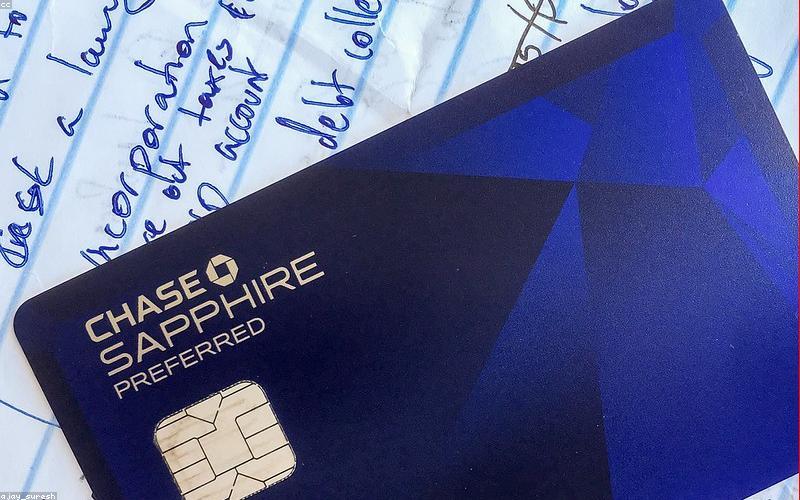
First, digital cards represent an evolution of traditional payment methods, allowing online and in-person purchases without needing a physical card. This modality offers convenience, real-time control, and greater protection against fraud. At the same time, it has become one of the most sought-after financial solutions for those seeking security and agility.
First of all, understanding how this technology works is essential to making smarter decisions when using virtual credit or debit. Financial institutions make digital versions available linked to a checking account or approved credit limit. In this way, users can generate temporary card data directly through the bank’s app.
At first glance, it may seem like just a virtual version of the traditional card, but the digital model has additional protection and customization features. The ability to block, delete, and create new numbers quickly makes it superior in terms of security. This flexibility is one of its main differentiators.
How Digital Cards Work
Furthermore, digital cards operate through tokenization technology, which replaces real card data with temporary codes during transactions. This process prevents the original information from being exposed in the event of a data breach. As a result, the risk of cloning is significantly reduced.
In this sense, many banks allow the creation of multiple virtual cards linked to a single account. Each card can be used for a specific purpose and deleted after use. This granular control increases security in online transactions.
Advantages of Digital Cards Over Physical Cards
Currently, virtual cards offer immediate issuance, no need for physical delivery, and instant control via app. Blocking and unblocking in real time avoids problems in case of suspicious transactions. This agility makes them superior for frequent online purchases.
On the other hand, integration with digital wallets like Apple Pay and Google Pay expands the usability of virtual cards to physical stores. Contactless payment technology allows secure and fast transactions. Thus, the boundary between online and in-person use is increasingly narrowing.
Which Digital Cards Are Worth It?
Next, evaluating digital cards requires considering annual fees, cashback, credit limits, and integration with financial management apps. Fintechs like Nubank, Inter, and C6 Bank have stood out for offering robust virtual card solutions. The comparison between available benefits guides the best choice.
The unlimited virtual card generation feature is a relevant differentiator for those who shop frequently online. This evaluation increases the efficiency of the financial decision.
Frequently Asked Questions About Digital Cards
Is a Digital Card Safe?
Even so, security is considered superior to the physical model for online purchases, as it allows quick data changes and immediate blocking through the app. Tokenization technology protects sensitive information during the transaction. This significantly reduces the risk of fraud.
Do Digital Cards Have Annual Fees?
For example, many fintechs offer no-annual-fee versions, while some traditional banks may charge fees depending on the benefits included. Reviewing the contract is essential to avoid unexpected costs. Each institution sets its own policy.
Can a Digital Card Be Used in Physical Stores?
At the same time, when integrated with digital wallets compatible with contactless payment, the virtual card can be used in person. Simply register it in the wallet app and use your phone or smartwatch at the checkout. This functionality expands the daily usability of the digital card.