Tools to Plan Your Spending and Avoid Debt Intelligently

First of all, planning expenses is an essential practice for those seeking financial balance and greater control over their money on a daily basis. This process involves the use of tools to plan spending and avoid debt, which help provide a clear view of income, expenses, and financial priorities. When properly applied, these solutions reduce risks and increase financial predictability.
At first, many people face financial difficulties not due to a lack of income, but because of the absence of organized methods to track spending. In this context, personal financial control digital tools emerge as strategic resources to map consumption habits and identify excesses. This continuous monitoring enables more conscious and sustainable decisions.
First, understanding how these tools work is the first step toward transforming your relationship with money. They offer features ranging from automatic expense tracking to future financial projections. Thus, planning stops being abstract and becomes guided by concrete data.
What Are Personal Financial Planning Tools?
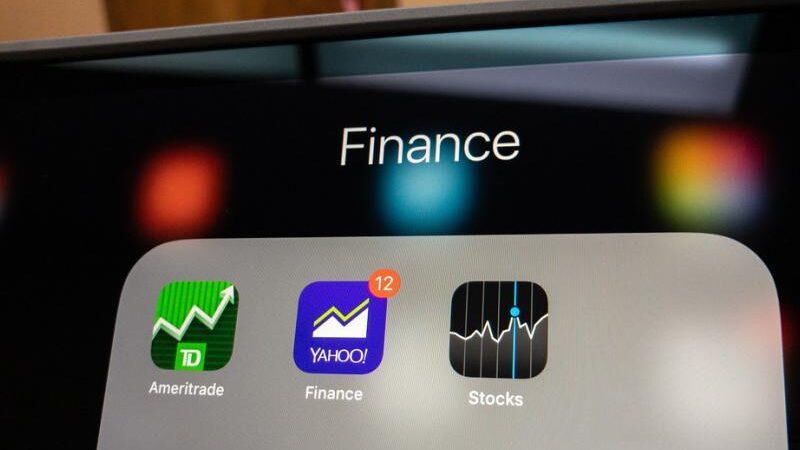
Furthermore, personal financial planning tools are digital solutions or structured methods created to organize information about spending, earnings, and financial goals. They allow users to centralize relevant data and continuously monitor their financial health. This type of organization makes it easier to identify patterns and bottlenecks in the budget.
Main Features of These Tools
For example, among the most common features are expense control by category, budget alerts, and visual reports. These resources help users understand where money is being spent and how to adjust behavior. In this way, consistent use of these tools strengthens financial discipline.
How These Tools Help Avoid Debt
In this sense, avoiding debt is directly linked to the ability to anticipate financial problems before they occur. Expense control tools allow users to identify imbalances between income and spending early on. This anticipation reduces the need to rely on emergency credit.
At the same time, many of these solutions offer personalized financial goals and spending limits. This creates a self-control system based on real data, not just perceptions. As a result, the risk of impulse debt is significantly reduced.
Criteria for Choosing the Best Expense Control Tool
Currently, choosing the ideal tool depends on each person’s financial profile and objectives. Some users prioritize simplicity, while others look for detailed analysis and bank integrations. Evaluating these characteristics ensures greater adherence to continuous use.
On the other hand, it is important to consider the reliability and security of stored financial data. Well-established tools on the market typically offer greater transparency and protection. Thus, the user experience becomes safer and more efficient.
Long-Term Benefits of Structured Financial Planning
Finally, the consistent use of tools to plan spending and avoid debt contributes to building a more stable financial life. Over time, users develop greater awareness of consumption and priorities. This continuous learning positively impacts future decisions.
As a result, in addition to avoiding debt, structured financial planning makes it possible to build savings and investments. This strengthens financial autonomy and reduces dependence on credit. Control stops being reactive and becomes strategic.
Frequently Asked Questions About Spending Planning Tools
Do These Tools Work for Any Income Level?
Even so, financial planning tools are adaptable to different income levels, as the focus is on organization, not the absolute amount earned. They help both those with fixed and variable incomes. The key is to record information consistently.
Can These Tools Be Used Without Advanced Financial Knowledge?
That is, most of these solutions are developed for everyday users, with intuitive interfaces and simple guidance. No in-depth technical knowledge is required to achieve good results. Daily practice already generates progressive learning.
Do Digital Tools Replace Manual Tracking?
In other words, digital tools not only replace manual methods but also expand the efficiency of financial control. They automate calculations and provide detailed reports. This reduces errors and saves time in planning.
Does Using These Tools Really Prevent Debt?
Definitely, when used correctly, these tools help prevent debt by promoting financial awareness and discipline. They do not eliminate risks on their own, but they provide essential support for better decisions. The result depends on consistent and responsible use.