6 Platforms for Personal Financial Organization

First of all, the search for personal financial organization has become essential in a scenario of rising costs and multiple income sources, requiring precise control and more conscious decisions. Digital solutions emerge as strategic allies to transform financial data into practical clarity. In this context, specialized platforms offer complete visibility, automation, and predictability.
Above all, understanding how the main financial management tools work helps avoid unnecessary debt and build sustainable spending habits. Technology applied to personal finance allows tracking expenses, income, and goals in real time. This advancement encourages smarter choices aligned with individual objectives.
In the first place, knowing the most efficient options on the market makes it possible to select the platform best suited to your financial profile. Each solution offers specific features aimed at planning, control, and analysis. Thus, evaluating functionalities and benefits is decisive for effective financial management.
What Are Personal Financial Organization Platforms?
Furthermore, personal financial organization platforms are digital systems that centralize information about expenses, income, investments, and goals, promoting structured money control. These environments use financial automation to reduce manual errors and increase accuracy. As a result, users gain a clear view of their own financial health.
Main Benefits of Using These Platforms
In this sense, using these tools contributes to short-, medium-, and long-term financial planning, facilitating decisions based on real data. Features such as automatic categorization and visual reports broaden the understanding of financial behavior. This strengthens discipline and consistency in budget management.
Automation and Real-Time Control
For example, by integrating bank accounts and cards, many platforms update information instantly, enabling continuous monitoring of personal finances. This functionality reduces delays in analysis and improves response to unexpected events. Consequently, financial control becomes more proactive.
The 6 Most Used Personal Financial Organization Platforms
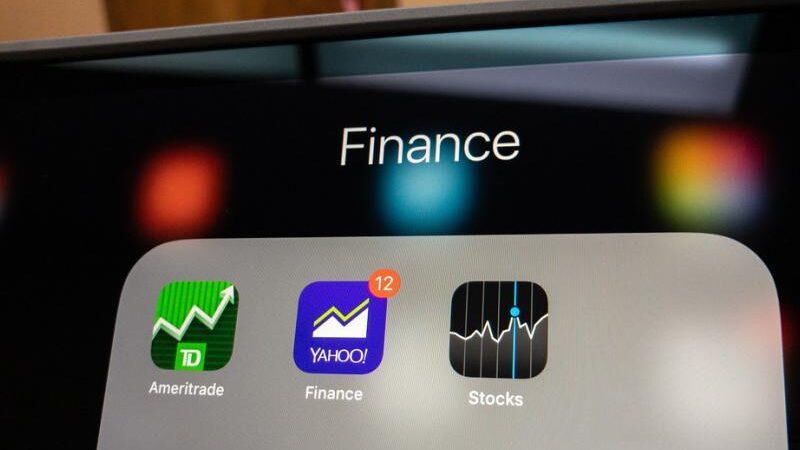
Currently, there are several solutions recognized for their efficiency in personal financial management, including apps focused on budgeting, expense control, and goal planning. These platforms stand out for their usability, data security, and analytical features. The choice depends on the desired level of detail and automation.
On the other hand, some tools prioritize simplicity and quick visualization, while others offer advanced analysis and investment integration. This diversity serves users ranging from beginners to more experienced profiles. Evaluating these differences is essential to maximize results.
How to Choose the Best Platform for Your Profile
Similarly, identifying clear financial goals helps select the platform most compatible with your needs. Those seeking basic control can opt for intuitive solutions, while complex planning requires advanced features. Aligning functionality with objective ensures efficiency.
Next, it is important to consider factors such as security, cost-effectiveness, and compatibility with financial institutions. Reliable platforms invest in encryption and regulatory compliance. These aspects increase confidence in the continued use of the tool.
The Long-Term Impact of Financial Organization
Finally, maintaining a financial control routine with technological support promotes economic stability and reduces financial stress. Clear visualization of goals and results encourages more rational decisions. Over time, this contributes to greater financial freedom and security.
Frequently Asked Questions About Personal Financial Organization Platforms
Are These Platforms Safe for Daily Use?
Similarly, the leading platforms use high standards of digital security, such as encryption and multi-factor authentication, protecting sensitive information. These practices reduce risks and increase reliability. Even so, it is essential to choose well-rated solutions.
Can These Tools Be Used Without Advanced Financial Knowledge?
However, most platforms are developed with a focus on usability, allowing beginner users to understand and control their finances with ease. Intuitive interfaces and visual reports simplify the process. This democratizes access to financial organization.
Are Free Platforms Efficient for Personal Financial Organization?
Thus, free versions offer basic features sufficient for expense control and initial budgeting, meeting many profiles. Advanced functionalities are usually available in paid plans. The choice depends on the desired complexity of control.
Do These Tools Help with Financial Goal Planning?
Therefore, by allowing goal definition, tracking, and adjustment, these platforms strengthen personal financial planning. Alerts and reports make it easy to visualize progress. This increases the likelihood of achieving objectives.
Is It Worth Integrating Bank Accounts with the Platform?
In summary, automatic integration optimizes control and reduces human error, providing updated and reliable data. This feature improves continuous financial analysis. For many users, this functionality is a decisive differentiator.
Final Considerations on Personal Financial Organization
In conclusion, adopting one of the 6 platforms for personal financial organization represents a strategic step for those seeking control, clarity, and financial growth. Consistent use of these tools transforms information into action. In this way, money management becomes more efficient and sustainable.