Smart Home Buying Guide: What to Look for in 2026
The smart home market in 2026 offers more choices than ever, making it both exciting and overwhelming for consumers. This comprehensive buying guide covers everything you need to know before purchasing smart home devices, from compatibility and standards to features and future-proofing. Whether you are a first-time buyer or upgrading your existing system, this guide will help you make informed decisions that save money and prevent frustration.
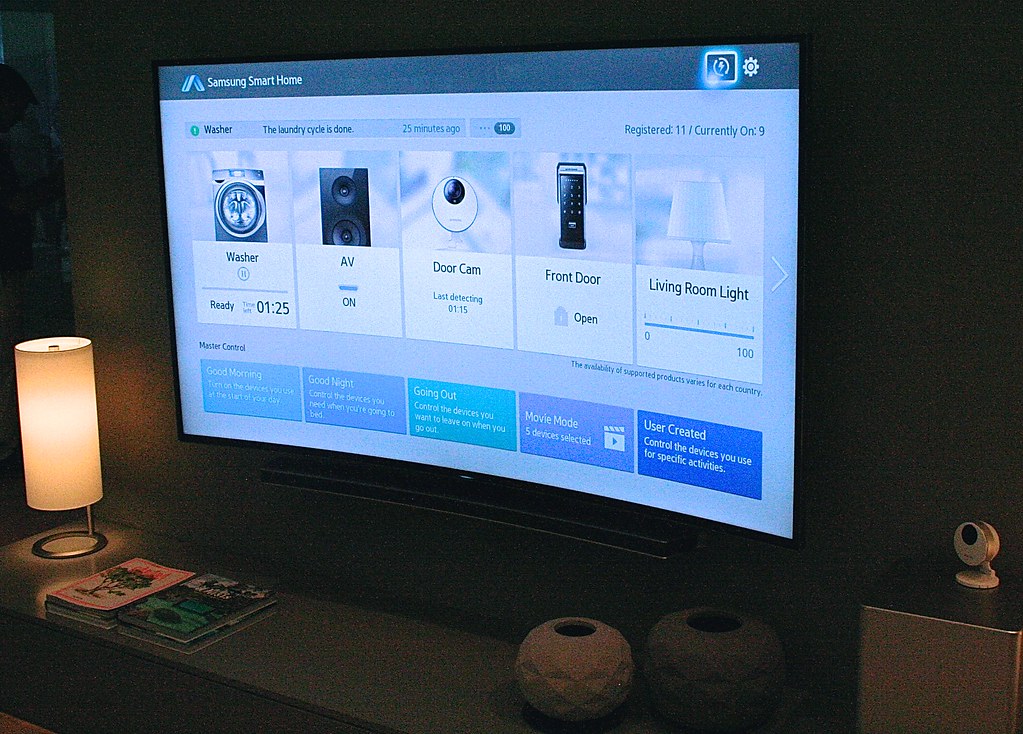
Compatibility is the single most important factor when buying smart home devices. Before purchasing any device, verify that it works with your chosen ecosystem. Devices labeled Works with Alexa are guaranteed to work with Amazon Echo devices. Works with Google Assistant labels ensure compatibility with Google Nest products. Works with Apple HomeKit devices work with Siri and the Home app. The safest choice is to look for the Matter logo, which guarantees compatibility with all three major platforms. More manufacturers are adopting Matter, making this the easiest compatibility standard to look for in 2026.
Connectivity standards matter for reliability and range. Most smart home devices use Wi-Fi 2.4GHz, which offers good range but can be congested. Zigbee and Z-Wave create mesh networks where devices relay signals to each other, providing better reliability for larger homes. Thread is the newest standard, offering the benefits of mesh networking with lower power consumption and direct integration with Matter. The Amazon Echo and Apple HomePod Mini include Thread radios, making them excellent hubs for Thread-compatible devices.
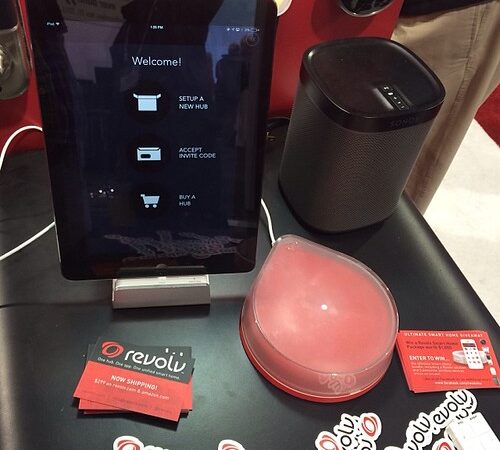
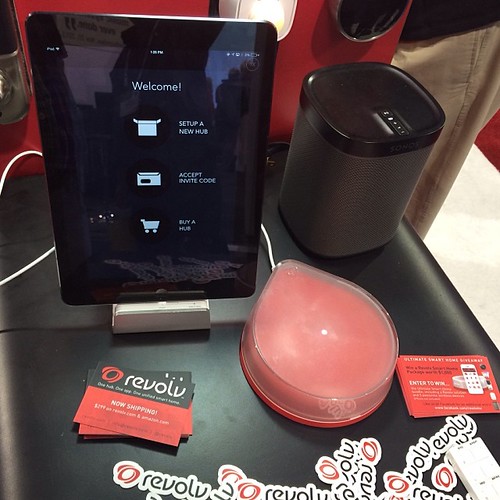
Hub versus Hubless is a key decision. Hubless devices connect directly to your Wi-Fi and are controlled through your smart speaker or phone. They are simpler to set up but can slow down with many devices on your network. Hub-based systems like Philips Hue and Samsung SmartThings use a dedicated hub that manages device communication, providing better reliability and faster response times, especially with many devices. For systems with more than twenty devices, a hub-based approach is recommended.
Privacy and data security should influence your choices. Read the privacy policy of each device manufacturer. Some companies collect and sell usage data while others limit data collection to essential functions. Devices with onboard processing keep your data local rather than sending it to the cloud. Apple HomeKit is the strongest for privacy with end-to-end encryption for all communications. Amazon and Google have improved their practices but still collect more data for service improvement.
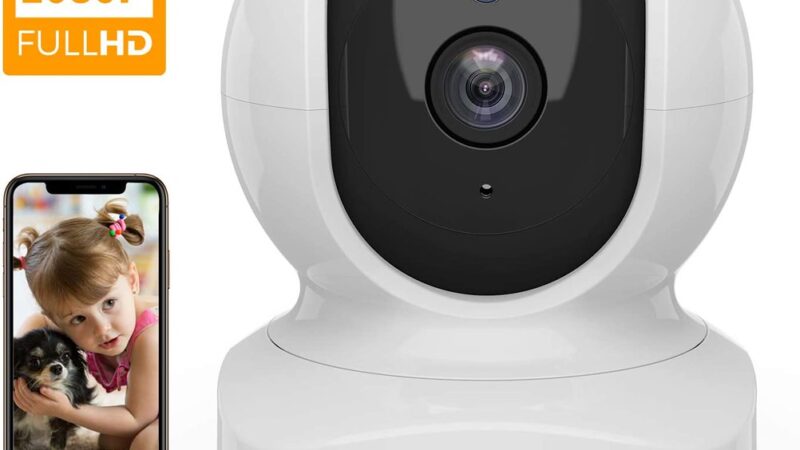
Subscription costs can add up significantly. Most video doorbells and security cameras require a subscription for cloud storage, typically three to fifteen dollars per month per device. Smart alarm systems may require professional monitoring at ten to twenty dollars per month. Some manufacturers like Wyze and Eufy offer free cloud storage with limited duration or local storage options that avoid ongoing costs. Factor these expenses into your total cost of ownership when comparing devices.
Future-proofing is important in the rapidly evolving smart home space. Choose devices that support over-the-air firmware updates for new features and security patches. Look for Matter certification to ensure compatibility with future platforms. Consider brands with a proven track record of long-term support. Invest in the ecosystem not individual devices and you will build a smart home that grows with you over time.
The best smart home devices in 2026 prioritize compatibility, reliability, privacy, and long-term support. Start with a solid smart speaker or display, add smart bulbs and plugs for immediate convenience, then expand to security, climate control, and specialty devices as your needs grow. Take your time, read reviews, and buy only devices that genuinely improve your daily life and fit your budget. A well-planned smart home is an investment in comfort and convenience that pays dividends every day.