Smart Home Security: Cameras, Alarms, and Sensors Compared
Smart home security has never been more accessible or more effective than it is in 2026. With advances in AI-powered detection, affordable pricing, and seamless integration with smart home platforms, securing your home is easier than ever. This comprehensive guide compares top security cameras, smart alarms, door sensors, and motion detectors from leading brands, helping you choose the right combination of devices to protect your home and family. Whether you are a homeowner looking for a complete security system or a renter wanting a simple, non-invasive setup, this guide covers everything you need to know.

Security Cameras: Ring vs Arlo vs Nest

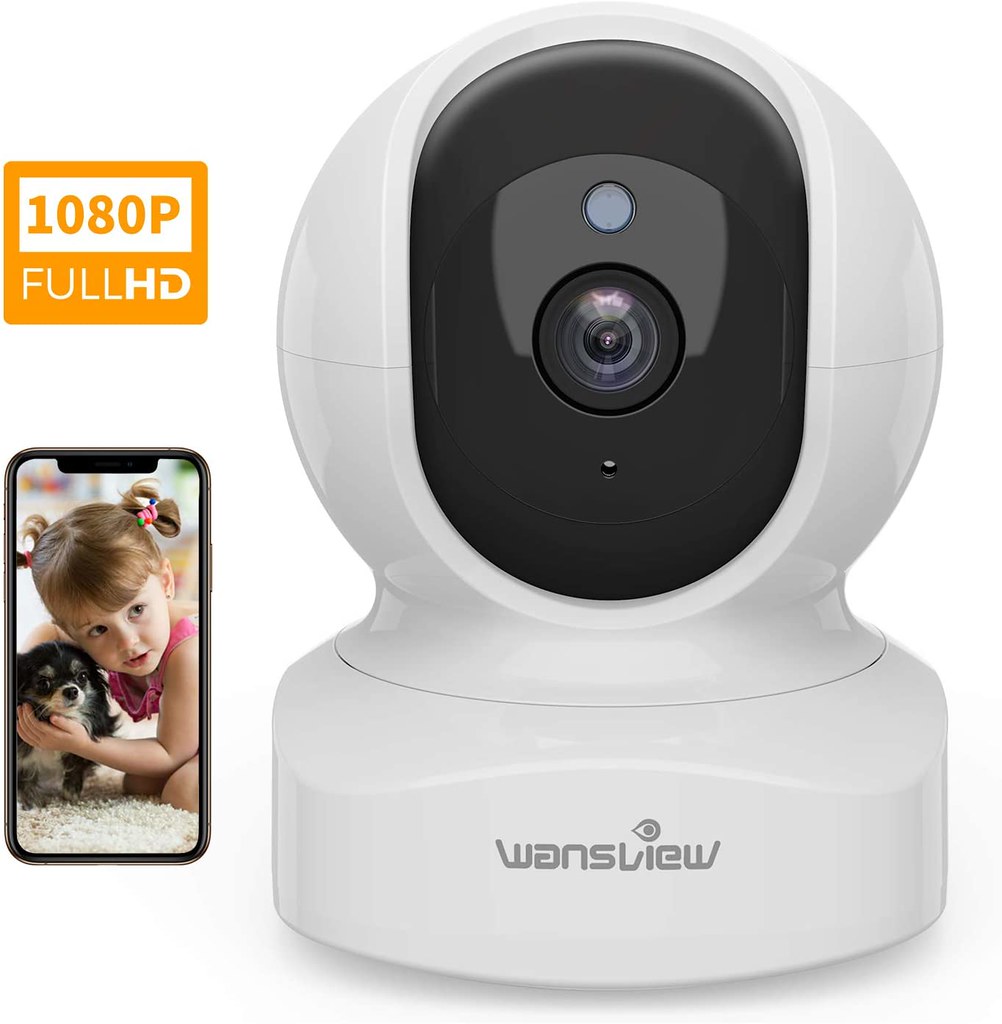
Security cameras are the backbone of any smart home security system, providing visual verification of activity around your property. Ring offers a comprehensive lineup of indoor and outdoor cameras that integrate seamlessly with the Ring ecosystem, featuring 1080p to 2K resolution, color night vision, and two-way audio. Ring cameras are known for their affordability, with indoor cameras starting at around $30 and outdoor models at $60. Arlo focuses on high-resolution video quality, offering 2K and 4K cameras with excellent night vision, wide field of view, and advanced AI detection that can distinguish between people, animals, vehicles, and packages. Arlo cameras require a subscription for full features, but the video quality is among the best in the industry. Google Nest cameras offer deep integration with Google Home and Nest Aware subscriptions, providing familiar facial recognition, continuous recording, and intelligent alerts. Nest cameras tend to be more expensive but offer the most polished software experience and tight integration with Google’s ecosystem. When choosing a camera system, consider video resolution, field of view, night vision quality, storage options, and whether you prefer cloud-based or local recording.
Smart Alarms and Alarm Systems
Smart alarm systems have evolved significantly from traditional security systems, offering wireless installation, smartphone control, and integration with other smart home devices. Ring Alarm is a popular choice, offering a base station, keypad, contact sensors, motion detectors, and a range extender in an affordable kit starting at $200. The system supports professional monitoring for a monthly fee, cellular backup, and integration with Ring cameras and doorbells. SimpliSafe offers a similar all-in-one approach with more sensor options, including water leak and freeze sensors, smoke and CO detectors, and panic buttons. Their systems are known for ease of installation and reliable performance. Abode is another strong contender, offering both self-monitoring and professional monitoring options with broad smart home compatibility, including HomeKit support. When evaluating alarm systems, consider the cost of monitoring plans, contract requirements, cellular backup availability, and how well the system integrates with your existing smart home platform.
Door and Window Sensors
Door and window sensors are simple but essential components of any security system. These small magnetic sensors attach to doors and windows and trigger an alert when the connection is broken, indicating an opening. Most sensors are wireless and battery-powered, with battery life lasting one to three years depending on usage. Brands like Ring, SimpliSafe, Abode, and Aqara offer affordable sensors that integrate with their respective ecosystems. For broader compatibility, consider Zigbee or Z-Wave sensors that can connect to any compatible hub. Smart sensors from Eve and Aqara support Thread and Matter for direct integration with Apple HomeKit and other Matter-compatible platforms. Many sensors can also trigger automations, such as turning on lights when a door opens or sending a notification when a window is left open while the air conditioning is running, adding convenience alongside security.
Motion Detectors and AI-Powered Detection
Modern motion detectors have advanced beyond simple infrared sensing. Today’s best motion detectors combine passive infrared (PIR) sensors with AI-powered software that can distinguish between humans, pets, and vehicles, dramatically reducing false alarms. The Ring Motion Detector and Philips Hue Motion Sensor are popular choices that integrate well with their respective ecosystems. For more advanced detection, camera-based systems like the Google Nest Cam with IQ and Arlo Ultra 2 use onboard AI processing to analyze video in real-time, identifying specific objects and sending targeted alerts. This technology has matured significantly, and false alarm rates have dropped substantially compared to earlier generations. When selecting motion detectors, consider the detection range, field of view, pet immunity (the ability to ignore animals under a certain weight), and whether the sensor supports conditional triggers for automation routines.
Privacy Considerations and Installation Tips
Privacy is an important consideration when installing smart security devices. To protect your privacy, choose cameras and sensors that offer end-to-end encryption for video feeds, and consider disabling remote access when you are home. Place cameras to cover entry points and common areas while avoiding views into neighbors’ homes or public spaces. For renters, look for wireless, adhesive-mounted cameras and sensors that do not require drilling or permanent installation. Most smart security devices can be installed in under 30 minutes using simple tools and the included hardware. Always change default passwords, enable two-factor authentication, and keep your devices updated with the latest firmware. By balancing security needs with privacy considerations, you can create a smart home security system that protects your home without compromising your personal information or your neighbors’ privacy.
Conclusion: Building Your Ideal Security System
The best smart home security system is one that fits your specific needs, budget, and living situation. Start with a video doorbell and one security camera for basic monitoring, then add door and window sensors, motion detectors, and an alarm system as your needs grow. Consider whether you want professional monitoring or prefer self-monitoring through smartphone alerts. Compare subscription costs for cloud storage and professional monitoring across different brands. With the wide range of options available in 2026, you can build a security system that provides comprehensive protection at a price that fits your budget, all controlled from a single app on your smartphone.