Best Smart Home Devices for Beginners: Where to Start in 2026

Starting your smart home journey can be overwhelming with hundreds of devices on the market, each promising to make your life easier and more convenient. This guide breaks down the essentials and helps you build a smart home system step by step, starting with the foundational devices that deliver the most value for beginners. Whether you are looking to automate your lighting, enhance your home security, or simply control your home with voice commands, the key is to start small and expand gradually as you become more comfortable with the technology.
Start with a Smart Speaker or Hub
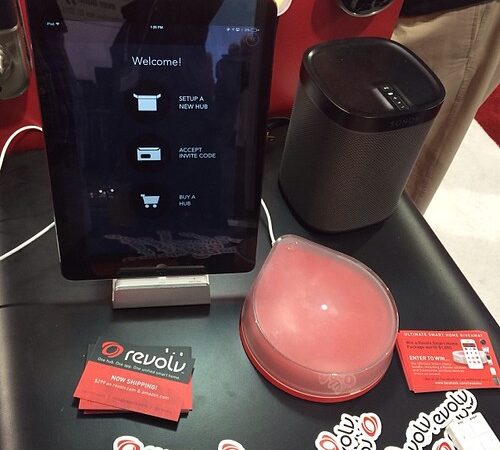
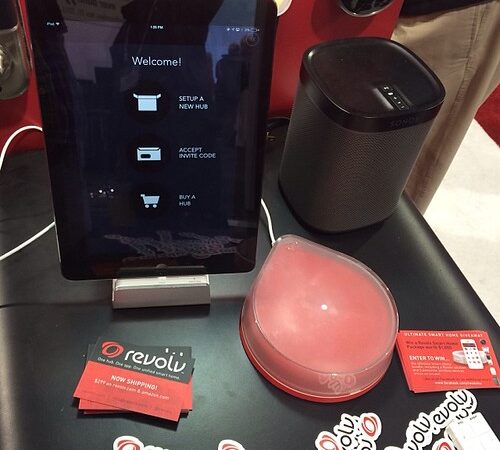
The first and most important device for any smart home beginner is a smart speaker or hub. Devices like the Amazon Echo, Google Nest Hub, or Apple HomePod serve as the central control point for all your smart devices. They allow you to control lights, thermostats, locks, and more using simple voice commands. When choosing a smart speaker, consider which ecosystem you already use. If you are an Amazon shopper, the Echo line is the natural choice. If you use Google services extensively, the Nest Hub series integrates seamlessly. Apple users will find the HomePod works best within their existing setup. The smart speaker you choose will determine which other devices are easiest to integrate, so this decision has long-term implications for your smart home.
Add Smart Lighting for Instant Impact
Smart lighting is one of the easiest and most rewarding upgrades for any smart home beginner. Smart bulbs from brands like Philips Hue, LIFX, and TP-Link Kasa can be controlled from your phone, scheduled to turn on and off automatically, and even change colors to match your mood or activity. Start with a single bulb in a frequently used room like the living room or bedroom. Many smart bulbs work with all major voice assistants, making them a versatile choice regardless of which ecosystem you chose. Smart plugs are an even more affordable alternative, turning any regular lamp into a smart light without replacing the bulb. With smart plugs costing as little as $10 each, they are an excellent entry point into home automation.
Install a Smart Thermostat for Energy Savings
A smart thermostat is one of the few smart home devices that can actually pay for itself over time through energy savings. Smart thermostats such as the Nest Learning, Ecobee and Amazon models all learn your schedule and preferences, automatically adjusting the temperature to save energy when you are away or asleep. Most utility companies offer rebates for smart thermostat installations, reducing the upfront cost significantly. Over the course of a year, a smart thermostat can save homeowners an average of 10 to 15 percent on heating and cooling costs, making it a financially smart choice as well as a convenient one. Installation is typically straightforward for most HVAC systems, and the apps provide clear guidance throughout the setup process.
Enhance Security with Smart Cameras and Doorbells
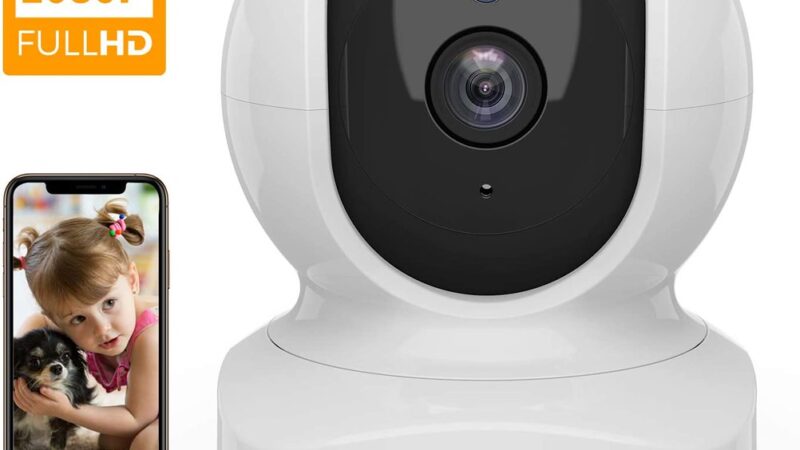
Smart security devices provide peace of mind by letting you monitor your home from anywhere. A video doorbell like the Ring Video Doorbell or Google Nest Doorbell is often the first security device new smart home owners purchase, and for good reason. These devices let you see and speak to visitors at your door whether you are home or away, and they record motion events for later review. Smart security cameras from brands like Arlo, Wyze, and Eufy can be placed indoors or outdoors to monitor specific areas of your property. Most offer HD video, night vision, and two-way audio, with cloud storage plans available for saving recorded footage. For beginners, starting with a single video doorbell and one indoor camera provides excellent coverage without overwhelming complexity.
Budget-Friendly Options to Get Started
Building a smart home does not have to be expensive. There are excellent budget-friendly options available from brands like Wyze, TP-Link Kasa, and Govee that deliver reliable performance at a fraction of the cost of premium brands. Smart plugs can be found for under $10, smart bulbs for under $15, and budget security cameras for under $30. The Amazon Echo Dot, often discounted to $25 or less during sales, provides full smart speaker functionality at an entry-level price point. By starting with budget-friendly devices, you can experiment with different types of automation and learn what features matter most to you before investing in more expensive equipment. As your needs grow, you can gradually upgrade individual components while keeping your existing budget devices in less critical roles.
Conclusion: Start Simple and Build Over Time
The key to a successful smart home journey is starting simple and expanding gradually. Begin with a smart speaker that fits your ecosystem, add a few smart lights or plugs for convenience, install a thermostat for savings, and consider a video doorbell for security. As you grow more comfortable, you can add sensors for automation, smart locks for keyless entry, and smart appliances for complete home control. Above all, a smart home should work reliably for your specific needs and lifestyle. By following this guide and starting with the essentials, you will build a smart home that grows with you and enhances your daily life without becoming overwhelming or unnecessarily expensive.