Smart Home Energy Monitoring: Complete Guide to Tracking and Reducing Your Usage
Smart home energy monitoring has evolved from a niche interest for tech enthusiasts into a mainstream tool for homeowners who want to understand and actively reduce their energy consumption. In 2026, a wide range of devices and platforms make it easier than ever to track exactly where your energy dollars are going in real time. This comprehensive guide covers everything you need to know about monitoring your home’s energy usage, from whole-home electrical panel monitors to individual smart plugs and integrated system solutions.
Why Monitor Your Energy Usage?
The old saying that you cannot manage what you cannot measure applies perfectly to home energy consumption. Without detailed usage data, most homeowners have very little idea which appliances and devices are driving their electricity bills. Energy monitoring systems give you real-time and historical data about your consumption, allowing you to identify energy-hungry devices, detect unusual usage patterns that might indicate a malfunctioning appliance, and track the effectiveness of your energy-saving efforts over time. Studies consistently show that homes with energy monitoring systems reduce their overall consumption by 5 to 15 percent simply through increased awareness of where energy is being used.
Whole-Home Energy Monitors
Whole-home energy monitors install directly in your electrical panel and provide comprehensive data about your home’s total energy consumption with remarkable detail. Devices like the Sense Energy Monitor and Emporia Vue use sensor clamps that attach around the main electrical wires to measure current flow continuously. The Sense monitor uses machine learning algorithms to identify individual devices by their unique electrical signatures, telling you precisely how much energy your refrigerator, water heater, air conditioner, washing machine, and other major appliances are using at any given time. The Emporia Vue offers up to 16 individual circuit monitors, providing per-circuit breakdowns without relying on machine learning identification.
Installation of whole-home monitors typically requires working inside your electrical panel, which should only be done by someone comfortable with electrical work or by a licensed electrician. The data these systems provide is incredibly granular, showing usage patterns down to the second and generating daily, weekly, monthly, and yearly reports through companion mobile applications.
Smart Plugs and Individual Device Monitoring
For homeowners not ready to open their electrical panel, smart plugs offer a simple and affordable entry point into energy monitoring. Devices like the Kasa Smart Plug HS300 and the Eve Energy smart plug measure the exact power consumption of whatever appliance is plugged into them. Smart plugs are ideal for monitoring specific high-usage devices such as entertainment systems, home office equipment, space heaters, dehumidifiers, and aquarium equipment. Many smart plugs also include remote control and scheduling features, allowing you to turn off devices remotely or set automatic schedules to eliminate standby power waste.
Smart Thermostats as Energy Monitors
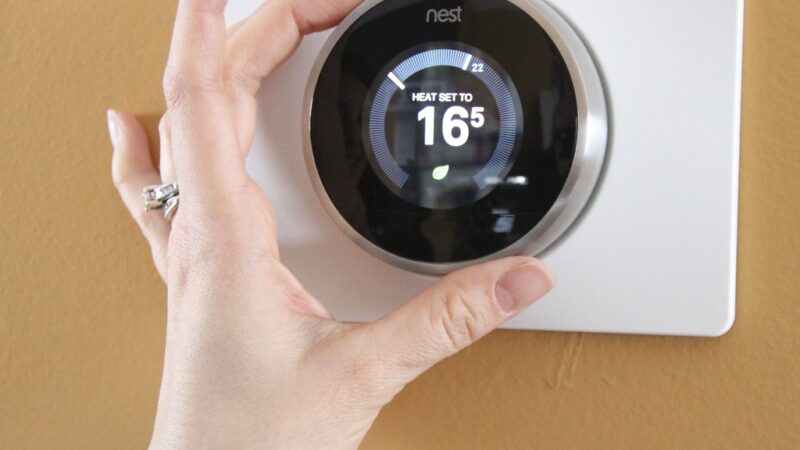
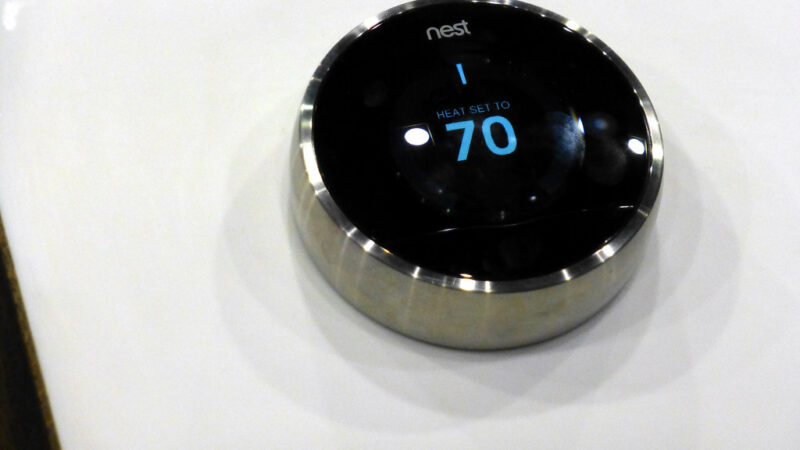
Your smart thermostat also serves as a valuable energy monitoring device. Both Nest and Ecobee provide detailed energy reports that show how long your HVAC system runs each day, how outdoor temperature fluctuations affect your indoor climate, and how your energy usage compares to similar homes in your area. The Ecobee Home IQ feature goes further by providing personalized recommendations based on your specific usage patterns. Since heating and cooling typically account for roughly half of a typical home’s total energy consumption, the data from your smart thermostat gives you valuable insight into your single largest energy expense.
Getting Started with Energy Monitoring
Starting with energy monitoring does not have to be overwhelming. Begin by checking the energy data already available through your smart thermostat if you own one. Next, add smart plugs to the appliances you suspect are your biggest energy users, such as the refrigerator, entertainment system, or home office setup. If you want truly comprehensive data and are comfortable with basic electrical work or willing to hire an electrician for a one-time installation, a whole-home monitor provides the most complete picture of your home’s energy usage. Regardless of which approach you choose, the awareness gained from energy monitoring will help you make smarter decisions about your energy usage and reduce your monthly utility bills.