How Much Can You Really Save with a Smart Thermostat? Energy Savings Guide 2026
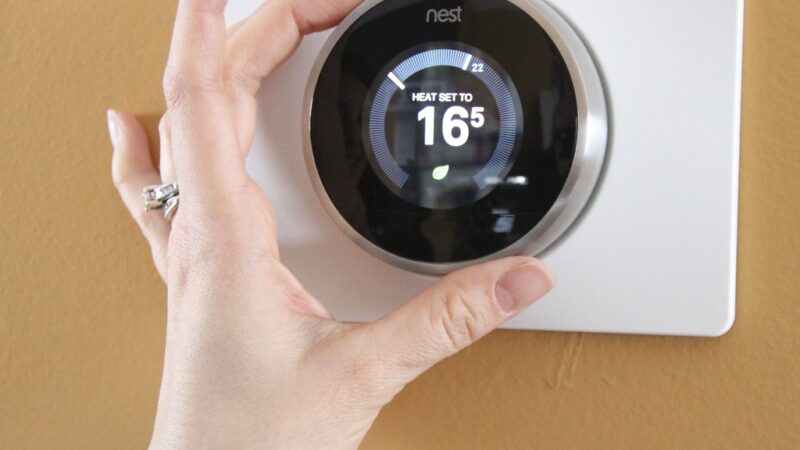
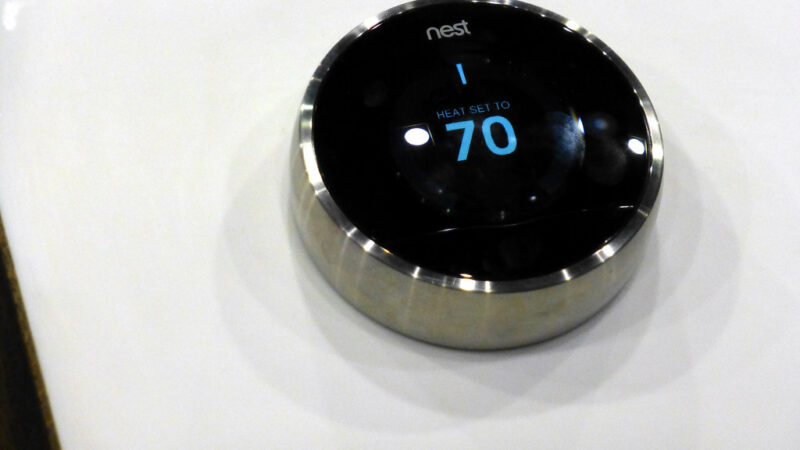
Smart thermostats promise significant energy savings, but many homeowners wonder whether the investment truly pays off. In 2026, with rising energy costs across the country and increasing awareness of environmental impact, understanding the real savings potential of smart thermostats is more important than ever. This comprehensive guide breaks down the numbers and explains exactly how these devices help reduce your monthly energy bills.
What the Research Says

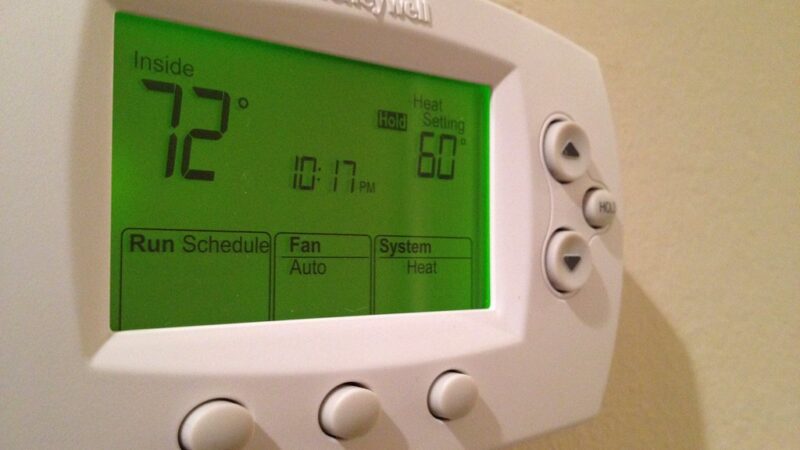
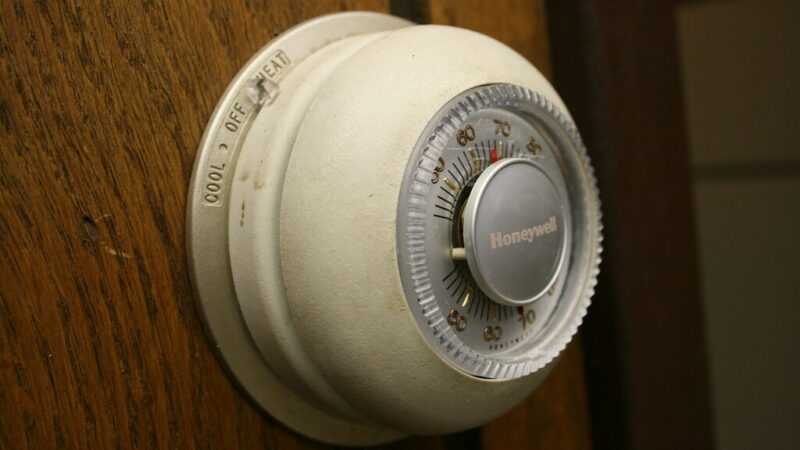
The U.S. Department of Energy estimates that homeowners can save up to 10 percent annually on heating and cooling costs simply by using a programmable thermostat to adjust temperatures during periods when they are asleep or away from home. Smart thermostats take this concept much further by learning your daily habits and making automated adjustments that traditional programmable thermostats simply cannot match. Industry studies consistently show that smart thermostats save users between 10 and 23 percent on heating costs and between 15 and 30 percent on cooling costs, depending on climate zone, home size, insulation quality, and individual usage patterns.
How Smart Thermostats Save Energy
Smart thermostats employ several strategies to reduce energy consumption. The most impactful is automated setback scheduling, where the thermostat intelligently raises or lowers the temperature when you are asleep or away from home. Advanced models use geofencing technology that detects when your phone leaves the home area and adjusts the temperature accordingly, ensuring you are never heating or cooling an empty house even if your schedule varies day to day.
Another powerful feature is weather adaptation. Modern smart thermostats connect to local weather forecasts and adjust their strategies based on upcoming conditions. For example, if a heatwave is forecasted for the afternoon, the thermostat might pre-cool your home during the morning off-peak hours when energy rates are lower, then allow the temperature to rise gradually during peak hours. This technique, known as precooling or preheating, can significantly reduce peak electricity demand and associated costs.
Real-World Savings Examples
A typical household in the northeastern United States spending $2,500 annually on heating and cooling might save between $250 and $500 per year with a smart thermostat. In warmer climates where air conditioning dominates, such as the southwestern U.S., savings can be even higher proportionally. Many homeowners report recouping the cost of their smart thermostat within one to two heating or cooling seasons. Additionally, many utility companies offer rebates for installing smart thermostats, ranging from $25 to $100 per device, which effectively lowers the upfront cost.
Maximizing Your Savings
To get the most out of your smart thermostat, start by carefully setting your schedule. Most savings come from periods when you are asleep or away, so ensure your thermostat is programmed for these times. Enable geofencing if your device supports it, and take full advantage of the energy reports to understand your usage patterns and identify opportunities for improvement. Finally, consider combining your smart thermostat with other energy-saving measures such as LED lighting, smart plugs, and proper insulation to achieve compounded savings throughout your entire home.
Is It Worth the Investment in 2026?
For the vast majority of homeowners, the answer is a clear yes. With smart thermostat prices ranging from $60 for budget models to approximately $250 for premium units, and annual savings typically falling between $150 and $300, the payback period is usually less than two years. Beyond the direct financial benefits, smart thermostats offer unmatched convenience, improved home comfort, and reduced environmental impact. In 2026, with energy prices trending steadily upward, making the switch to a smart thermostat is one of the most effective single investments you can make in your home’s energy efficiency.