Nest Thermostat Review: Is It Still the Smart Thermostat King in 2026?
The Nest Thermostat, originally launched by Nest Labs and now part of Google’s hardware lineup, has long been considered the benchmark for smart home climate control. In 2026, the question on many homeowners’ minds is whether the Nest Thermostat still reigns supreme or if newer competitors like Ecobee, Honeywell, and Amazon have finally caught up. This comprehensive review examines the latest Nest models, their features, performance, and how they stack up in the modern smart home ecosystem.
What Makes the Nest Thermostat Stand Out?
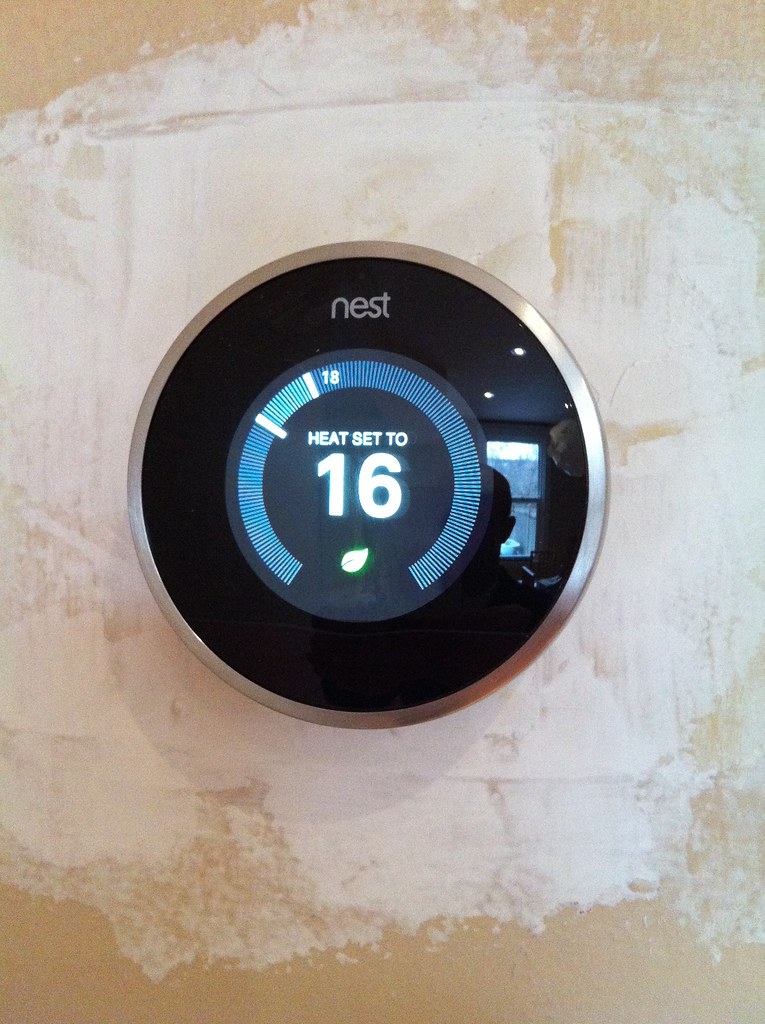
The Nest Thermostat’s signature feature has always been its learning capability. Unlike traditional programmable thermostats that require manual scheduling, Nest observes your daily routines and temperature preferences, then automatically creates a heating and cooling schedule that optimizes both comfort and efficiency. After approximately one week of use, the Nest typically learns your patterns and begins making intelligent adjustments on its own without any programming required from you.
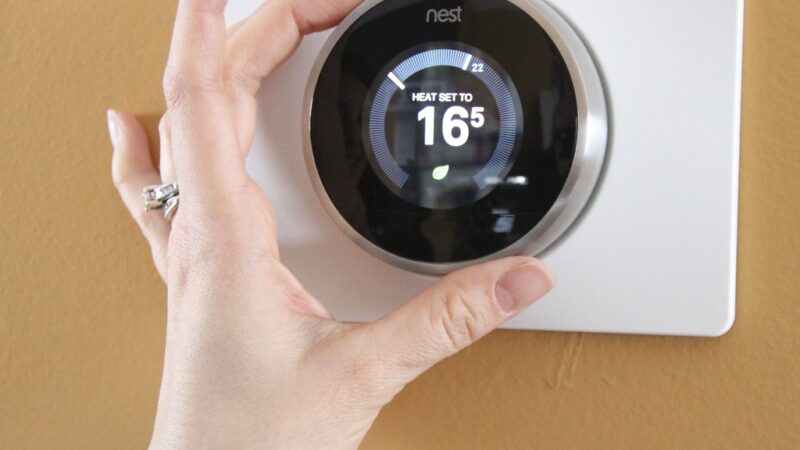
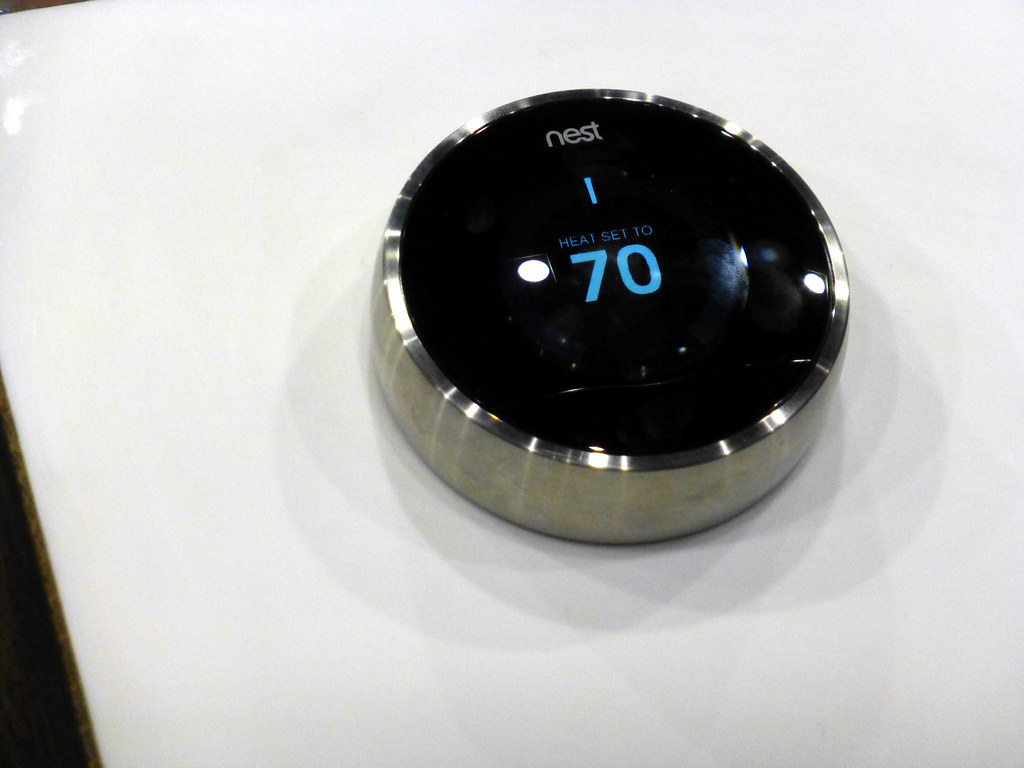
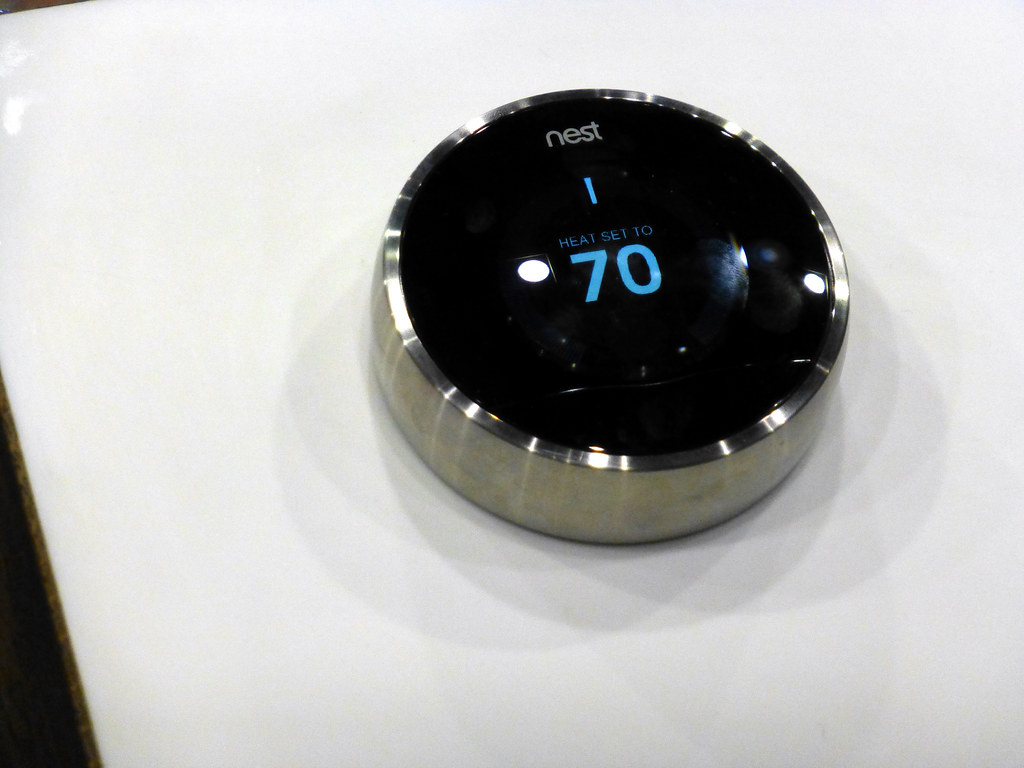
The latest Nest Learning Thermostat (4th generation) features a larger, crisper display with improved ambient light sensing. The iconic mirror-like finish has been refined, and the new model includes a borderless design that blends seamlessly into any wall decor. The temperature display is now adaptive, showing only relevant information when you approach the device and dimming when you walk away, saving energy on the display itself.
Energy Savings Performance
According to Google’s internal testing and independent studies by energy utilities, the Nest Thermostat saves users an average of 10 to 15 percent on heating bills and approximately 15 percent on cooling bills. For a typical household spending ,200 annually on energy, this translates to roughly 20 to 30 in yearly savings. The Nest Temperature Schedule feature automatically adjusts temperatures when you are away, and the Home & Away Assist uses your phone’s location along with the thermostat’s built-in sensors to detect occupancy patterns throughout your home.
In 2026, Nest also integrates with seasonal weather forecasts to preemptively adjust your home’s temperature for maximum efficiency. This means the thermostat can anticipate a cold front and adjust heating schedules accordingly, or delay cooling startup on a cooler morning to save energy without sacrificing comfort.
Smart Home Integration
Being a Google product, the Nest Thermostat integrates deeply with the Google Home ecosystem. You can control it via voice commands through Google Assistant, create routines that trigger temperature changes based on other smart devices like door sensors or smart lights, and monitor your energy usage through the Google Home app dashboard. Matter protocol support, added through recent firmware updates, ensures broad compatibility with Apple HomeKit, Amazon Alexa, and Samsung SmartThings, making Nest a versatile choice regardless of your preferred smart home platform.
Installation and Setup
Installing a Nest Thermostat is straightforward for most homeowners with basic DIY skills. The device comes with a trim plate to cover imperfections in the wall, a built-in level to ensure straight mounting, and clear step-by-step instructions delivered through the Google Home app. Nest’s online compatibility checker lets you verify that your HVAC system is supported before purchasing. Most installations take between 30 and 60 minutes, and Nest provides a detailed wiring diagram based on your existing thermostat’s wire configuration.
Pros and Cons in 2026
The Nest Thermostat’s learning capabilities remain its strongest selling point, offering a truly hands-off experience once configured. The build quality is excellent, and the device looks premium on any wall. However, some users find the learning algorithm less predictable than traditional manual scheduling, and the price point at around 50 is higher than many competitors offering similar features. Additionally, the Nest app, while functional and polished, does not offer as much granular data analysis as some dedicated energy monitoring platforms like Ecobee’s Home IQ. Despite these minor drawbacks, the Nest Thermostat remains a top-tier choice for anyone looking to make their home smarter and more energy-efficient in 2026.