Choosing the Best Home Security System for Your Needs

Home security is a priority for every homeowner, but with so many options on the market, choosing the right system can feel overwhelming. From traditional professionally monitored systems to modern DIY smart security setups, there is a solution for every budget and lifestyle. This guide will help you navigate the options and find the perfect home security system for your needs.

Understanding Your Security Needs

Before diving into products, it is important to assess your specific security requirements. Consider factors such as the size of your home, the number of entry points, your neighborhood’s safety profile, and whether you rent or own. A small apartment may only need a video doorbell and a single indoor camera, while a large house with multiple entry points may require a comprehensive system with sensors, cameras, and professional monitoring.
Also think about your lifestyle. Do you travel frequently? Are you often home during the day? Do you have pets that might trigger motion sensors? These factors influence which type of system will work best for you. Smart systems with AI-powered detection can distinguish between pets and intruders, making them ideal for pet owners.
Types of Home Security Systems
Home security systems generally fall into two categories: professionally monitored and self-monitored. Professionally monitored systems involve a monthly fee in exchange for 24/7 monitoring by a team that can dispatch emergency services when an alarm is triggered. Companies like ADT, Vivint, and SimpliSafe offer these services with varying levels of equipment and contract terms.
Self-monitored systems, on the other hand, rely on you to respond to alerts through a smartphone app. Brands like Ring, Arlo, Wyze, and Eufy offer self-monitored solutions that are typically more affordable and flexible. These systems often allow for DIY installation and do not require long-term contracts, making them popular with renters and budget-conscious homeowners.
Key Components of a Home Security System
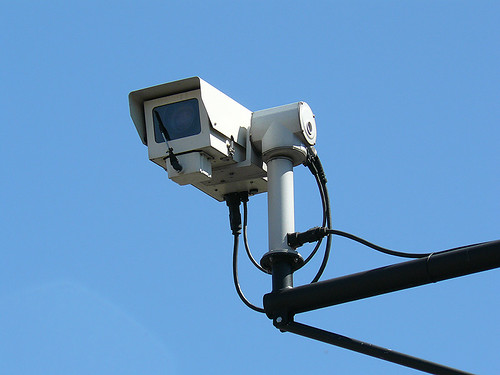
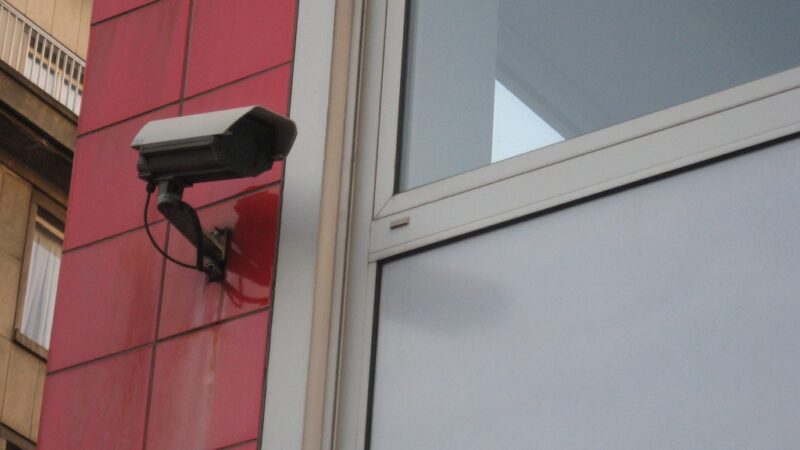
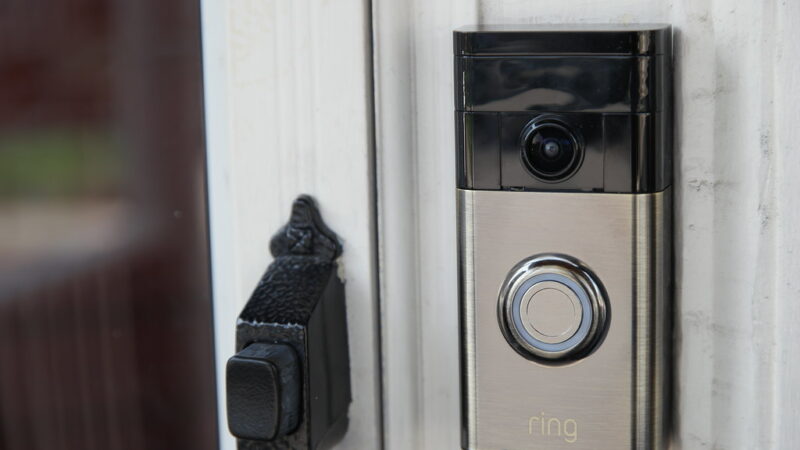
A comprehensive home security system typically includes several components. Door and window sensors alert you when entry points are opened. Motion detectors monitor rooms and hallways for movement. Security cameras provide visual verification and recording. Video doorbells allow you to screen visitors. Smart locks enable keyless entry and remote locking. And an alarm siren deters intruders.
Many modern systems also include environmental sensors for smoke, carbon monoxide, water leaks, and temperature changes. These added sensors turn your security system into a comprehensive home protection system that can prevent disasters before they happen.
Smart Home Integration
One of the biggest advantages of modern security systems is their ability to integrate with other smart home devices. A truly smart security system can work with your smart lights to turn them on when motion is detected, your thermostat to adjust the temperature when you arm the system, and your smart locks to automatically lock doors when you leave.
When choosing a system, consider which smart home platforms you already use. Systems that integrate with Amazon Alexa, Google Assistant, or Apple HomeKit will provide a more seamless experience. Ring works well with Alexa, Nest with Google Assistant, and many others offer broad compatibility.
Budget Considerations
Home security systems range from under one hundred dollars for a basic setup to thousands for a comprehensive professionally installed system. Remember to factor in ongoing costs such as monitoring fees, cloud storage subscriptions, and equipment warranties. Often, a mid-range system with a sensible subscription plan provides the best balance of features and value.
Ultimately, the best home security system is one that fits your specific needs, budget, and lifestyle. Start with the essentials and expand as needed. Most modern systems are modular, allowing you to add components over time without replacing your entire setup.