Smart Locks: Keyless Entry and Enhanced Home Security
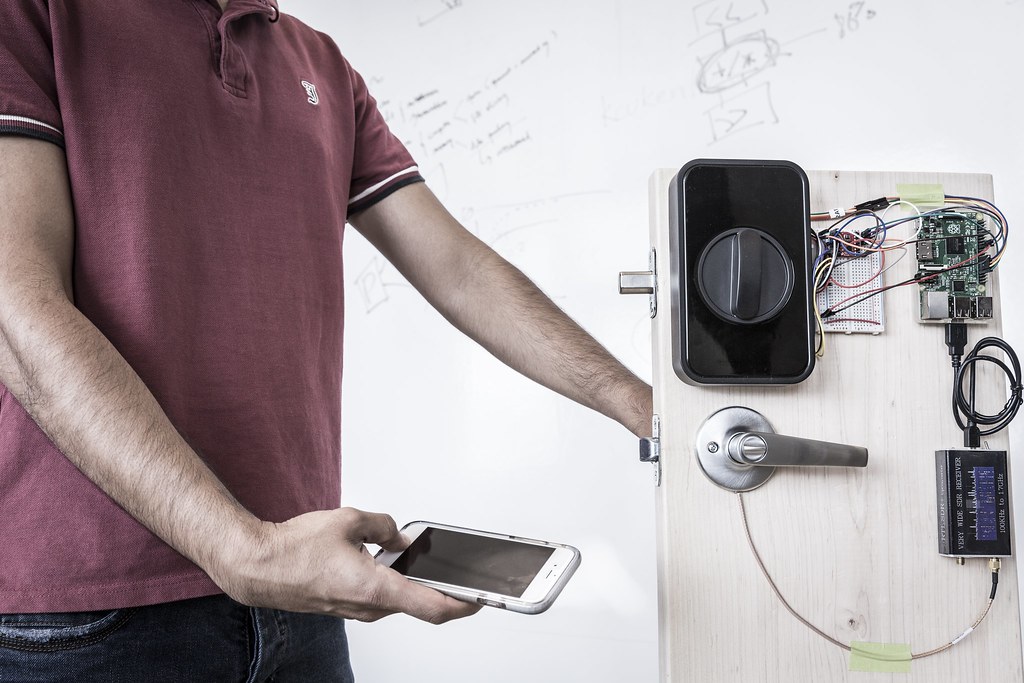
Smart locks have transformed the way we secure our homes, offering convenience, control, and peace of mind that traditional locks simply cannot match. By replacing or augmenting your existing deadbolt with a smart lock, you gain the ability to lock and unlock your door from anywhere, grant temporary access to guests, and monitor who comes and goes in real time.

What Is a Smart Lock?

A smart lock is an electronic lock that connects to your home Wi-Fi network or uses Bluetooth to communicate with your smartphone. Unlike traditional locks that require a physical key, smart locks can be operated through a mobile app, a keypad code, your voice, or even automatically based on your proximity via geofencing technology.
Most smart locks retain the ability to use a physical key as a backup, ensuring you are never locked out if the battery dies or connectivity is lost. This hybrid approach gives users the best of both worlds: modern convenience with traditional reliability.
Types of Smart Locks
There are several types of smart locks to choose from. Smart deadbolts replace your existing deadbolt entirely and offer the most features. Smart lock adapters fit over your existing deadbolt on the interior side, allowing you to keep your current key and exterior look. Smart handlesets combine a handle and lock in one unit, ideal for modern door designs. Finally, smart lock keypads add keyless entry to any lock.
Popular brands in the smart lock market include August, Yale, Schlage, Kwikset, and Level. Each offers different features ranging from basic keyless entry to advanced integration with home security systems and voice assistants.
Key Features to Look For
When shopping for a smart lock, consider the following features. Remote access allows you to lock or unlock your door from anywhere using your smartphone. Auto-lock and auto-unlock use geofencing to detect when you arrive or leave. Activity logs show you exactly who entered and when, which is useful for monitoring children, housekeepers, or guests.
Guest access features let you create temporary or scheduled virtual keys for visitors, service providers, or Airbnb guests. Voice control integration with Amazon Alexa or Google Assistant enables hands-free operation. And door sense technology detects and alerts you if your door is left ajar.
Security Considerations
Security is naturally a top concern with any lock. Smart locks use encryption to secure communication between the lock and your phone or home network. Look for locks that support encryption standards like AES-128 or higher. It is also important to choose a lock with a physical key override, tamper alerts, and a strong battery life indicator.
While no lock is completely invulnerable, smart locks from reputable manufacturers undergo rigorous testing to meet security standards. The convenience of not having to hide a spare key under a mat or worry about lost keys often outweighs the minimal security risks, especially when combined with a broader security system.
Installation and Setup
Most smart locks are designed for DIY installation and require only basic tools like a screwdriver. The process typically takes 15 to 30 minutes, and the accompanying app provides step-by-step instructions. For those who prefer professional installation, many brands offer installation services through partners like Amazon Home Services or local locksmiths.
Smart locks are an excellent investment for any homeowner looking to enhance security while adding convenience to daily life. Whether you are tired of carrying keys, want to monitor access to your home, or simply love the idea of a smarter, more connected home, a smart lock is a practical and rewarding upgrade.