Smart Bulbs vs Traditional Lighting: Which One Should You Choose?
The transition from traditional incandescent and fluorescent lighting to smart LED bulbs is one of the biggest changes in home illumination in decades. But is it the right choice for every home and every socket? This comparison breaks down the key differences between smart bulbs and traditional lighting to help you make an informed decision.
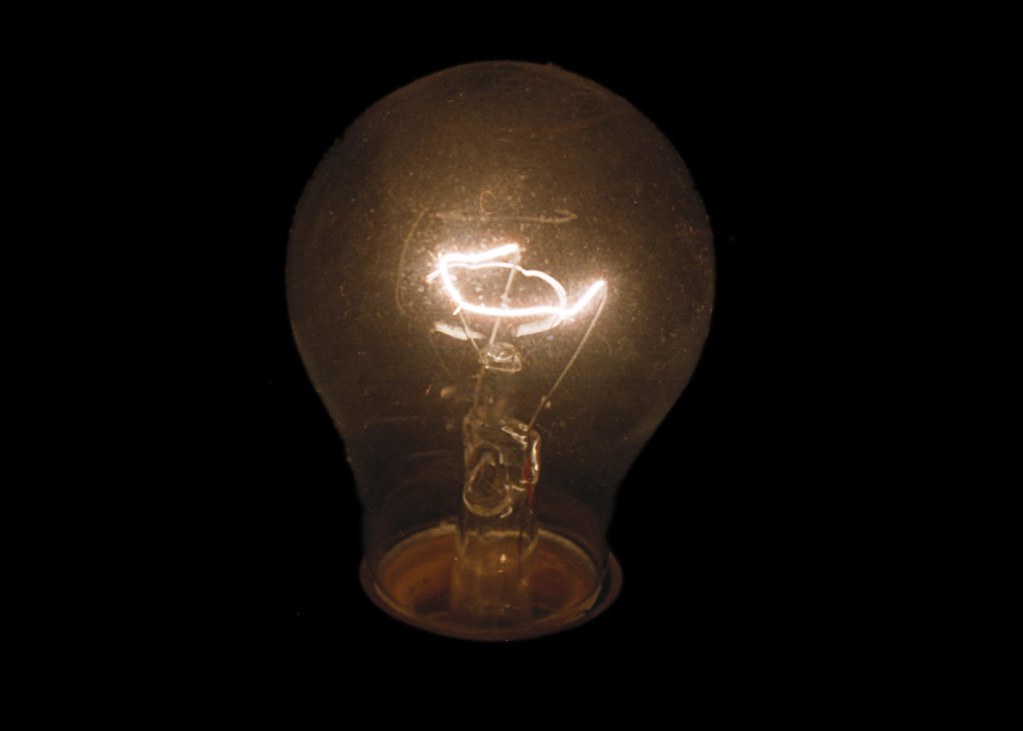
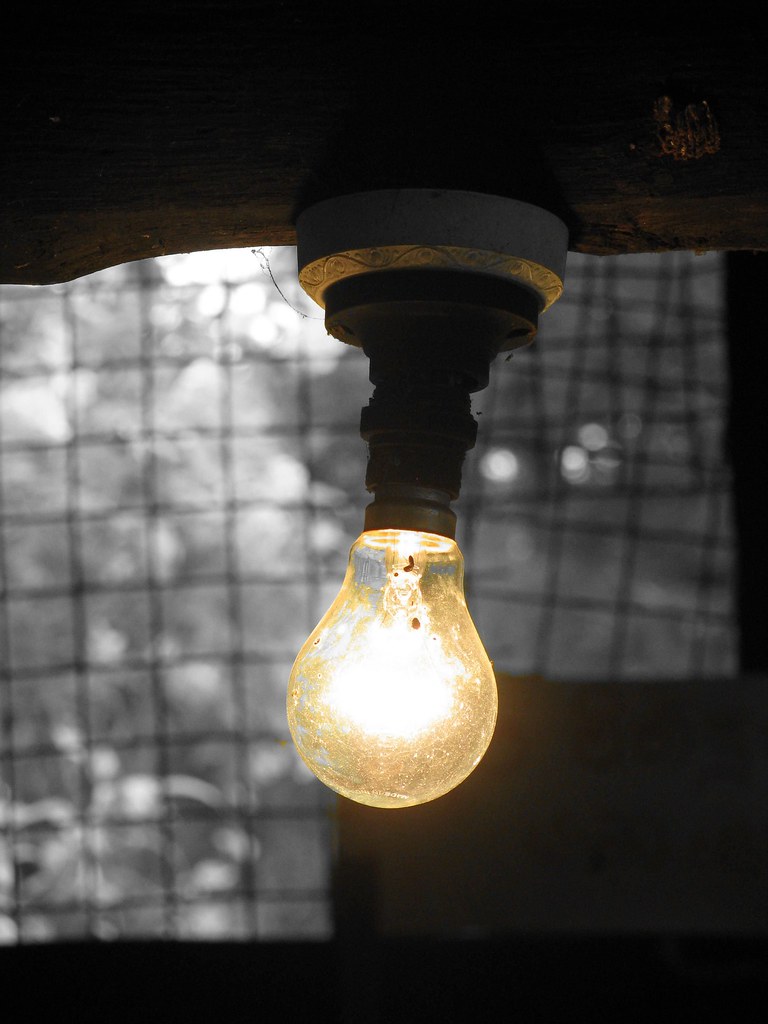
Traditional incandescent bulbs have been the standard for over a century. They produce light by heating a tungsten filament until it glows, creating a warm, familiar light that many people find pleasing. However, incandescent bulbs are incredibly inefficient. They convert only about ten percent of the energy they consume into visible light, with the remaining ninety percent lost as heat. They also have a short lifespan of roughly one thousand hours, meaning frequent replacements are necessary.
Compact fluorescent lamps or CFLs improved on incandescents by using electrically excited gas to produce ultraviolet light that then excites a phosphor coating. They last about eight thousand hours and use around seventy percent less energy than incandescents. However, CFLs contain small amounts of mercury, requiring special disposal, and they take time to warm up to full brightness. They also struggle with dimming and can flicker annoyingly.
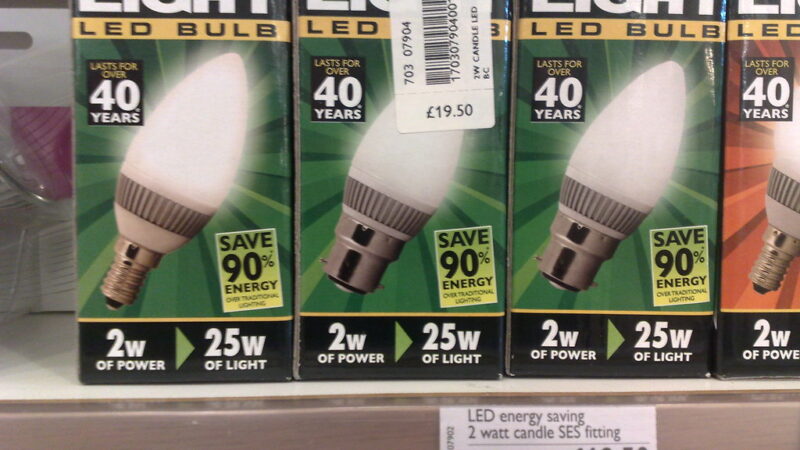
Smart bulbs are LED-based and take efficiency to another level. A typical smart LED bulb uses about nine to twelve watts to produce the same light output as a sixty-watt incandescent bulb, representing an eighty to eighty-five percent energy saving. Smart LEDs also last between fifteen thousand and twenty-five thousand hours, meaning you may go years or even decades between replacements. The environmental impact is significantly lower over the lifetime of the bulb.
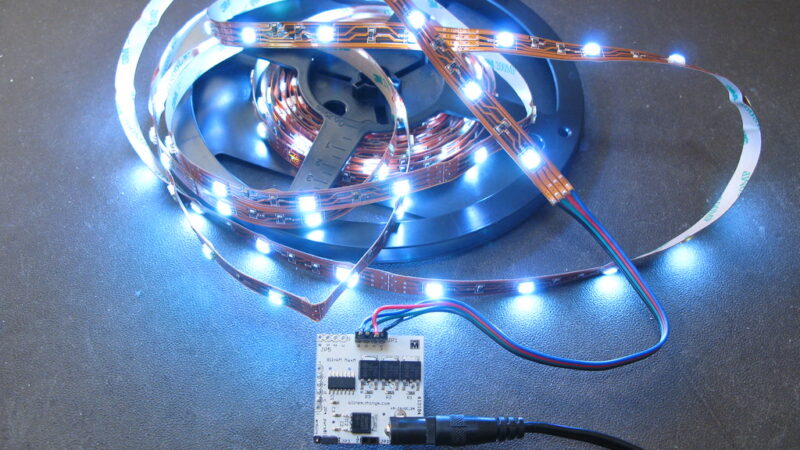
The defining feature of smart bulbs is connectivity. Smart bulbs connect to your home Wi-Fi or to a hub via Zigbee or Z-Wave, enabling control through a smartphone app, voice assistants like Alexa and Google Assistant, and smart home automations. You can schedule lights to turn on at sunset, dim them gradually as a wake-up alarm, or change colors to match your mood. Traditional bulbs, no matter how efficient, cannot offer this level of control and convenience.
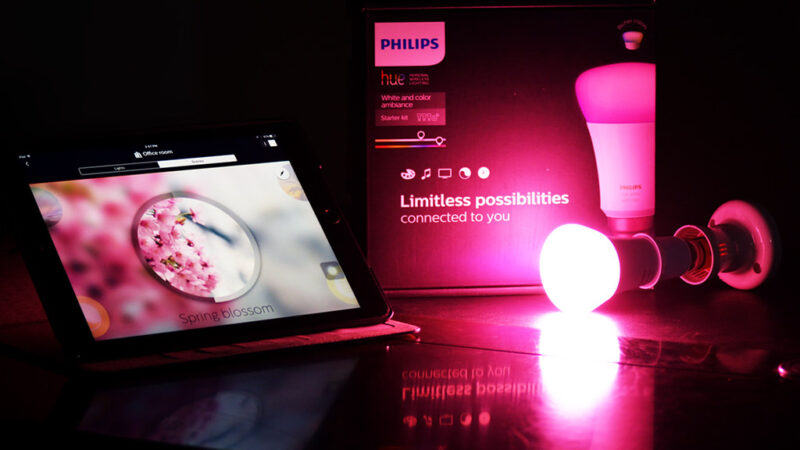
Cost is the most significant barrier to smart bulb adoption. A traditional incandescent bulb costs one to two dollars, and an LED bulb costs two to five dollars. A single smart bulb starts at around ten to fifteen dollars for a basic white model and can go up to thirty to fifty dollars for a color-changing bulb from a premium brand like Philips Hue. Installing smart bulbs throughout an entire home can cost several hundred dollars. However, the energy savings and extended lifespan mean that smart bulbs pay for themselves over time, particularly in frequently used fixtures.
Reliability is another factor. Traditional bulbs work every time you flip the switch because there is nothing to go wrong beyond the bulb itself. Smart bulbs depend on network connectivity, a functioning hub, and stable power. If your Wi-Fi goes down, voice control and remote access stop working, though the bulbs usually retain their last state and can still be operated with a physical light switch. Some users find the occasional delay or connectivity hiccup frustrating compared to the instant response of a traditional bulb.
In practice, most homes benefit from a hybrid approach. Install smart bulbs in living rooms, bedrooms, and entertainment areas where you want color control, scheduling, and automation. Keep traditional or standard LED bulbs in closets, utility rooms, and garages where simple on-off operation is sufficient. This gives you the best of both worlds: smart features where they matter most and cost savings where they do not. Assess your needs room by room and choose the right bulb for each application.